
DF-ABSTRACT explores the geometric translation of perceptual, emotional and structural phenomena. each work operates as the visual trace of a system under tension.
this exhibition proposes a foundational entry into this universe.
three works are brought together.
three states of a single principle.
impulse.
organization.
transformation.
these works do not form a narrative series, but a conceptual foundation. they reveal the emergence of a visual language in which each form results from an unstable equilibrium between opposing forces.
this exhibition invites the viewer to approach DF-ABSTRACT not as a collection of images, but as an architecture of thought.
act I, impulse
pulsus
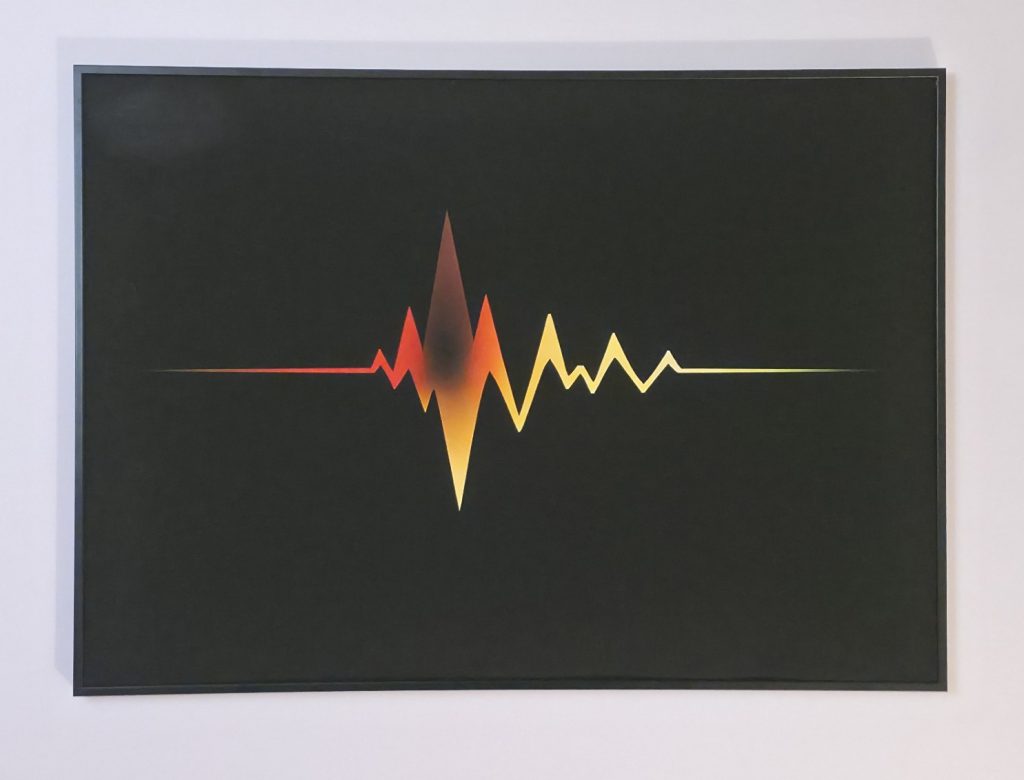
pulsus represents the minimal origin of the signal. a punctual rupture within a stable field.
impulse operates as a founding event. it disrupts equilibrium and generates structure.
in DF-ABSTRACT, every form emerges from an initial variation. pulsus materializes the appearance of fertile imbalance.
impulse gives rise to organization.
act 2, organization
strata
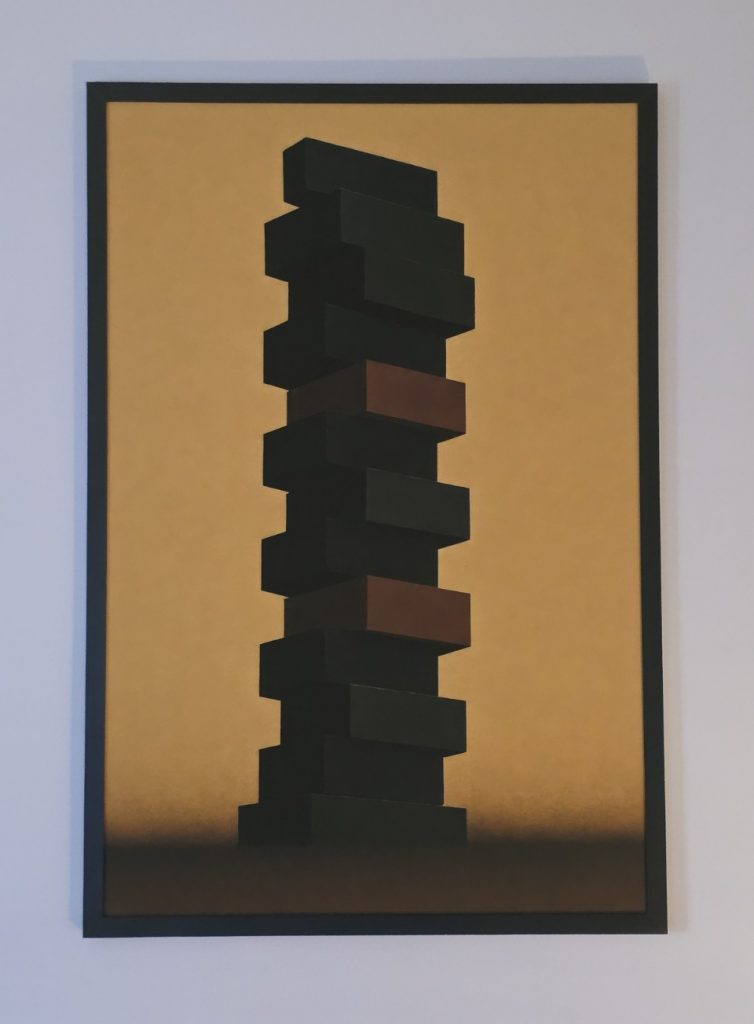
strata explores the superposition of fields and forces. planes, layers and tensions coexist within a single space.
the work introduces the notion of algorithmic depth: what is visible is never singular, but stratified.
strata translates the progressive construction of a system. order emerges from repetition, displacement and accumulation.
every organization evolves toward transformation.
Act 3, transformation
fluxus
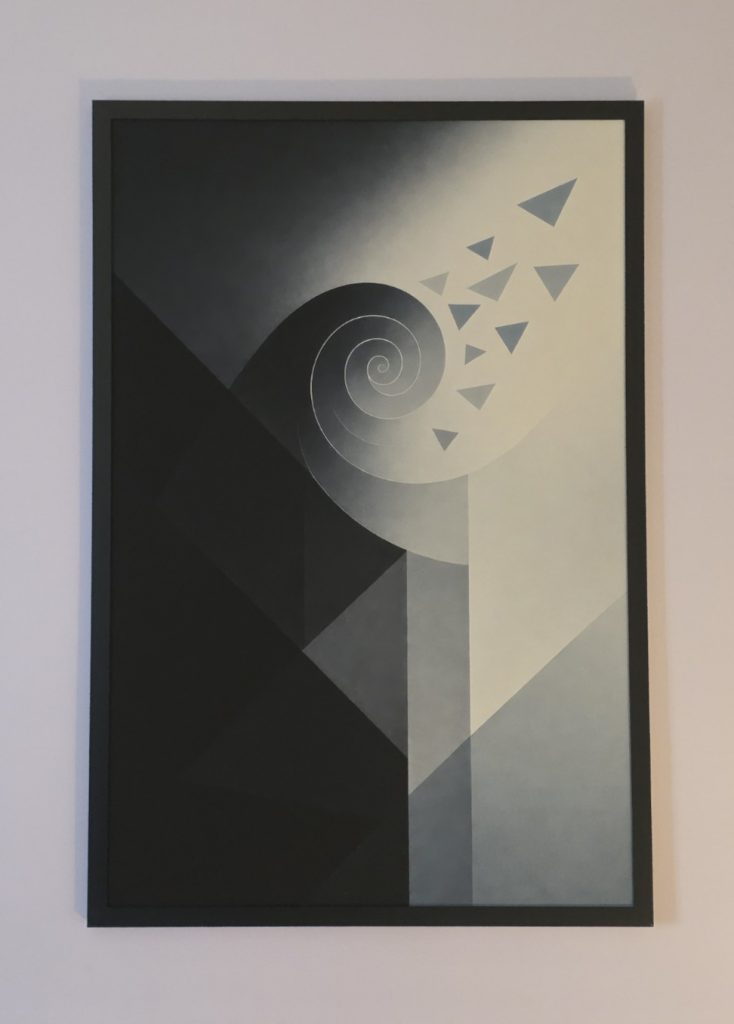
fluxus translates the passage from one state to another. forms shift, fragment and recombine.
the work introduces movement as a fundamental principle of DF-ABSTRACT: the permanent transformation of structures.
the spiral operates as a vector of transition between stability and mutation.
opening
these three works constitute the foundations of the DF-ABSTRACT language.
From these principles, the system expands evocatio, applying this structure to multiple sources: music, landscapes, history, sport and memory.
→ Découvrir les evocatio
→ Comprendre la structure DF-ABSTRACT