
a project of abstract art based on structure
contemporary geometric art explores visual structures and abstract forms.
DF-ABSTRACT est un projet d’art abstrait contemporain fondé sur une approche structurée de la composition visuelle.
contrairement à de nombreuses formes d’art abstrait intuitif ou gestuel, DF-ABSTRACT repose sur une logique de construction où la structure précède la forme.
ce travail explore les relations entre géométrie, rythme visuel, perception et langage graphique.
this work explores the relationships between geometry, visual rhythm, perception and graphic language.
the objective is not only to produce abstract images, but to build a true visual system in which each creation belongs to a coherent research process.
DF-ABSTRACT stands at the intersection of contemporary art, geometric abstraction and visual research.
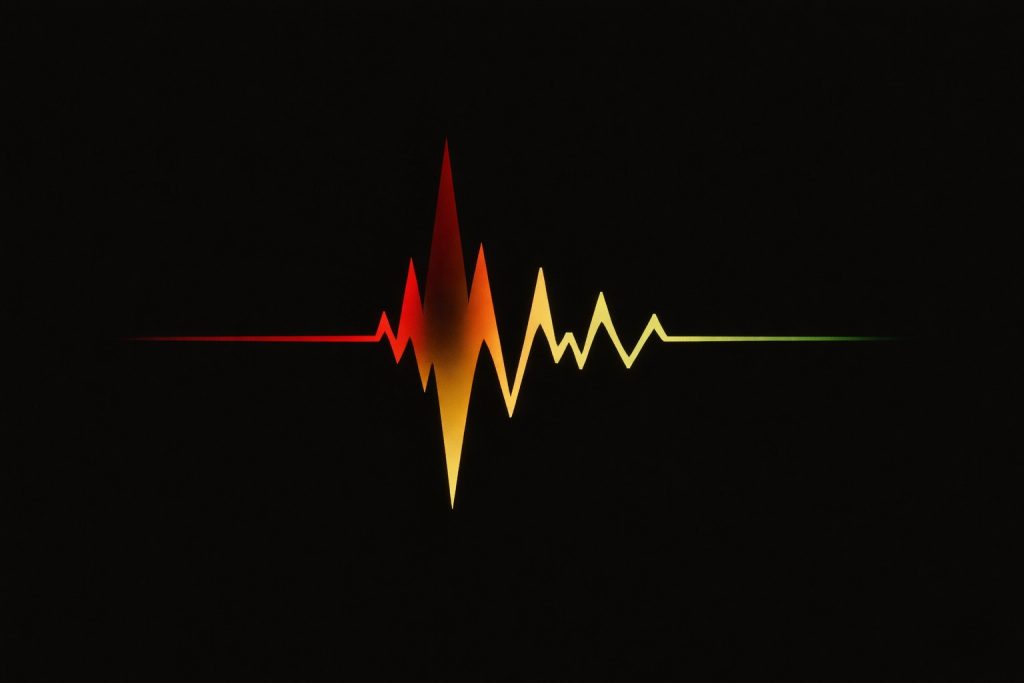
what is contemporary geometric art
contemporary geometric art is a branch of abstract art that uses simple forms to organize visual space. lines, circles, axes, tensions, repetitions and contrasts become the fundamental elements of composition.
this type of art finds its roots in several major historical movements:
- constructivism
- suprematism
- european geometric abstraction
- concrete art
- certain contemporary minimalist explorations
in these approaches, painting or image is no longer a representation of reality but an autonomous visual organization.
forms become a language.
DF-ABSTRACT belongs to this tradition while developing a personal approach based on the notion of internal structure.
the logic of structure in DF-ABSTRACT
in DF-ABSTRACT, each work is born from an initial structure.
this structure can be:
- an axis
- a division of space
- a deliberate imbalance
- a tension between two graphic forces
- a rhythmic repetition
from this initial framework, the image gradually takes shape.
this process allows the creation of compositions where each element finds its place within a global balance.
the result is not a simple decorative abstraction but a considered visual organization.
this method of creation brings DF-ABSTRACT close to an almost architectural approach to the image.
evocatio: the core of the DF-ABSTRACT project
the works of DF-ABSTRACT are called evocatio. evocatio.
an evocatio is an abstract composition designed to translate a sensation, an idea, a place or an energy through a visual structure.
the term evokes the idea of a call or a revelation.
each evocatio belongs to a larger corpus that explores different forms of tension or balance.
the evocatio are not simple isolated images. they take part in a broader research on visual structure.
several series compose this corpus, each exploring a specific variation of structure.
variations and visual research
in DF-ABSTRACT, a single structure can give rise to several variations.
these variations allow the exploration of different graphic intensities.
for example:
- minimal version
- saturated version
- fragmented version
- luminous version
- distilled version
these variations are not copies but explorations of the same idea.
they allow us to observe how a structure evolves when certain visual parameters are modified.
this work of variation lies at the heart of the artistic research process.
a visual language in construction
DF-ABSTRACT progressively develops a true visual language.
this language is based on several principles
- structure before form
- tension between balance and imbalance
- economy of elements
- readability of the composition
- coherence of the visual system
the objective is to create an identifiable graphic universe in which each work dialogues with the others.
this corpus thus forms a continuous research on the way an abstract image can produce meaning without directly representing reality.
creation process
the creation of an evocatio follows several stages.
first comes the definition of the main structure. this stage determines the axes and tensions of the image.
then comes the graphic construction.
lines, masses and colored zones are organized according to the logic of the initial structure.
the composition is then adjusted to find the point of visual balance.
this work may require many iterations.
the creation process thus combines conceptual reflection and visual experimentation.
DF-ABSTRACT in contemporary art
within the landscape of contemporary art, DF-ABSTRACT belongs to a tradition of exploring abstraction.
but the distinctive aspect of the project is the search to construct a true visual grammar.
this work focuses less on spontaneous expression than on the construction of a system.
each work becomes a step within a broader research.
this approach brings DF-ABSTRACT closer to certain artistic practices based on systems, rules or structures.
éditions et œuvres disponibles
certaines evocatio font l’objet d’éditions d’art.
ces éditions permettent de diffuser les œuvres tout en conservant leur dimension artistique.
les tirages sont réalisés en série limitée et sur des supports de qualité destinés à la présentation en galerie ou en collection privée.
chaque édition fait partie du corpus DF-ABSTRACT et conserve le lien avec la structure dont elle est issue.
une recherche visuelle ouverte
DF-ABSTRACT est un projet en évolution permanente.
de nouvelles evocatio viennent régulièrement enrichir le corpus.
la recherche se poursuit autour de plusieurs axes :
- structure et perception
- rythme visuel
- tension graphique
- abstraction géométrique contemporaine
le projet explore ainsi la manière dont une image abstraite peut produire une expérience visuelle forte à partir de principes simples.
découvrir les evocatio
les evocatio sont des œuvres abstraites fondées sur une structure visuelle.
chaque composition explore une tension ou un équilibre dans l’espace graphique.