
research
DF-ABSTRACT is a structured visual research project.
each work is inscribed within a precise formal protocol, tested, refined, and reiterated.
the contemporary geometric language developed by DF-ABSTRACT is based on an autonomous formal grammar.
research constitutes the methodological foundation of the project. it defines the rules, constraints, and graphic tools that make the works possible.
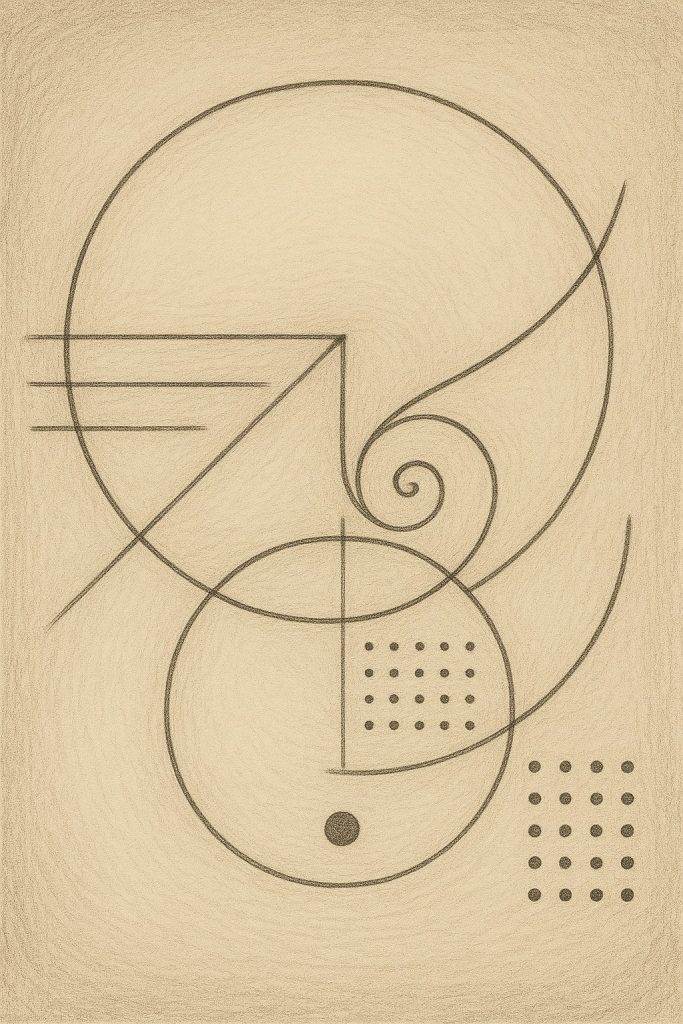
the contemporary geometric language: principle
DF-ABSTRACT is based on a principle of structural translation..
an initial phenomenon (sonic, rhythmic, natural, perceptual) is converted into a geometric organization.
this conversion is neither illustrative nor symbolic.
it follows a stable formal grammar, independent of the initial subject.
structure precedes meaning and becomes the invisible architecture of each work.
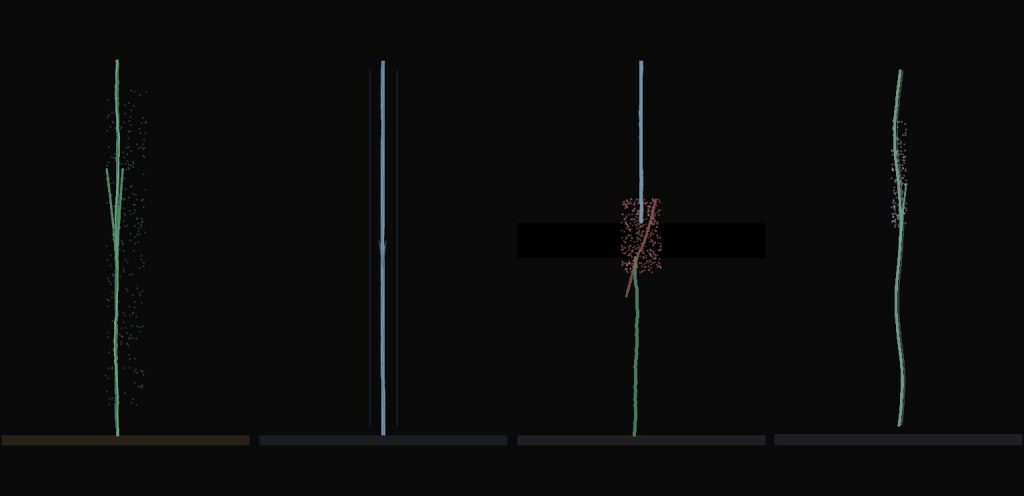
constraints
research relies on strict, deliberately assumed constraints:<
- vector geometry
- absence of figuration
- limited graphic vocabulary
- implicit directional reading
- clear hierarchy of tensions and ruptures
- équilibre dynamique des tensions
these constraints constitute the very condition of the project’s legibility.
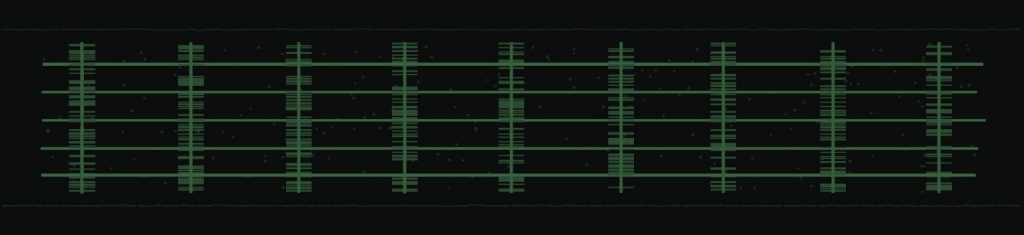
formal continuity
DF-ABSTRACT is based on a structured graphic alphabet.
each element (line, axis, density, rupture, interval) has an identifiable function.
it contributes to the continuity between works derived from very different perceptual sources.
coherence is not stylistic.
it is structural.
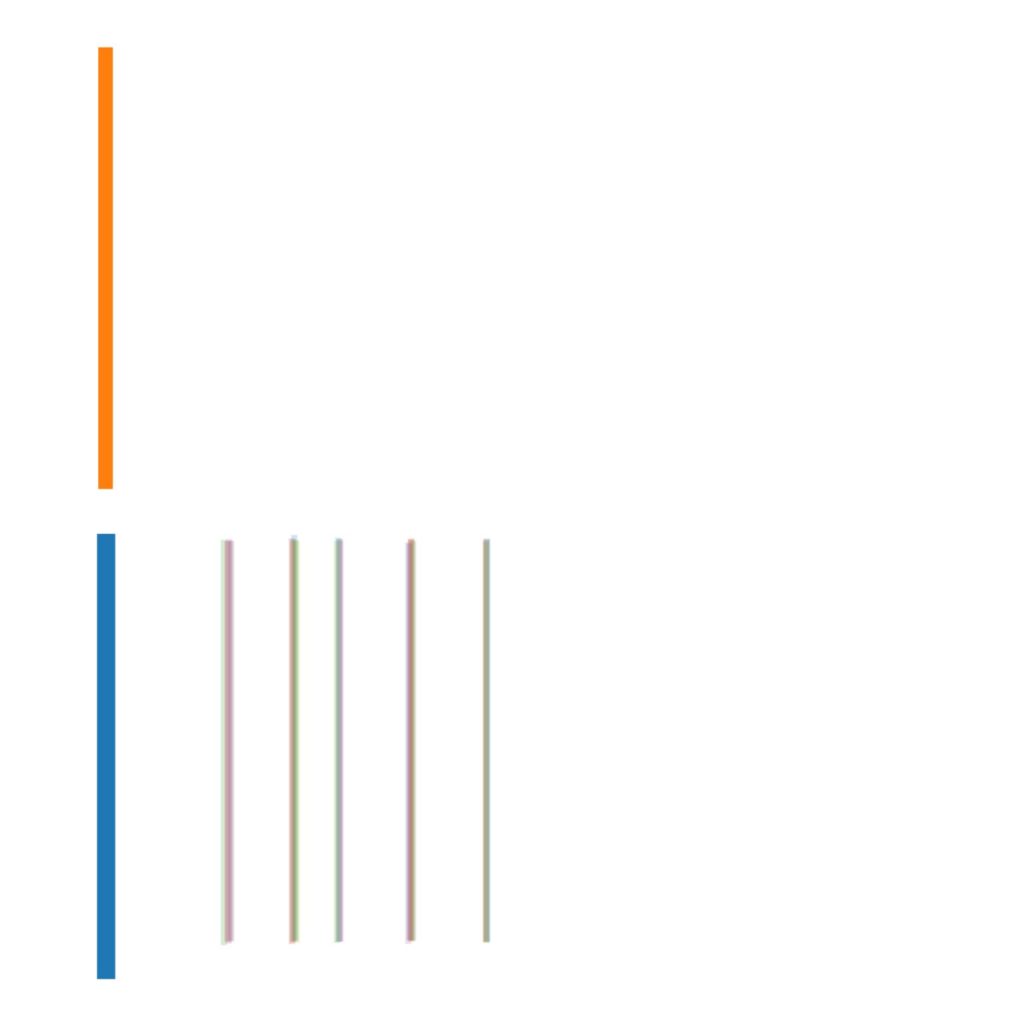
translation protocol
every DF-ABSTRACT work follows a clear protocol:<
- identification of the source phenomenon
- extraction of structural parameters
- conversion into geometric signs
- tensioning of vectorial axes
- stabilization of the composition
research ensures that this protocol remains constant, regardless of the subject.
variations and families
families (gravitas, turbulenta, resonantia, interruptio, harmonia) are not styles.
they define regimes of tension.
research makes it possible to:
- to identify these regimes
- to test their limits
- to determine their compatibility with the overall corpus
the visible evocatio are only stabilized phases of this exploration.
status
the elements presented in research are not intended for edition or sale.
they constitute:
- protocol demonstrations
- validation studies
- methodological fragments
- evidence of structural coherence
research is not a showcase.
it is a guarantee of rigor.